


Creating Immersive 360 Tours: Best Practices for High-Quality Renderings
- squareicg
- May 31, 2025
- 2 min read

In today's fast-paced digital landscape, the demand for immersive experiences is growing rapidly. Businesses in industries like real estate, hospitality, and interior design are leveraging property 3D virtual tour technology to create engaging and interactive experiences for potential customers. High-quality renderings not only enhance visualization but also boost engagement and decision-making, making property 3D virtual tour solutions a must-have tool in modern marketing.
Choosing the Right Software and Tools
The foundation of a successful property 3D virtual tour lies in selecting the right software and tools. Advanced rendering software, such as 3D modeling and visualization platforms, enables creators to produce lifelike environments. Key features to look for include high-resolution imaging, realistic lighting effects, and seamless navigation. Investing in professional-grade cameras and compatible editing tools ensures that each property 3D virtual tour meets the highest quality standards.
Capturing High-Resolution 360-Degree Images
One of the most crucial aspects of a property 3D virtual tour is the quality of captured images. To achieve stunning results, use high-resolution 360-degree cameras that provide sharp and detailed visuals. Proper camera placement ensures smooth transitions between scenes, while adequate lighting helps maintain clarity and realism. Consistent exposure and optimized angles help create a seamless virtual experience that closely mirrors reality.
Enhancing Realism with Accurate Textures and Lighting
An essential step in rendering high-quality property 3D virtual tour experiences is the accurate application of textures and lighting effects. Realistic materials, such as wood, glass, and metal, give virtual environments an authentic feel. Natural lighting techniques, including shadows and reflections, contribute to a lifelike experience, making users feel as if they are physically exploring the space. Attention to detail ensures that renderings remain compelling and immersive.
Ensuring Seamless User Experience
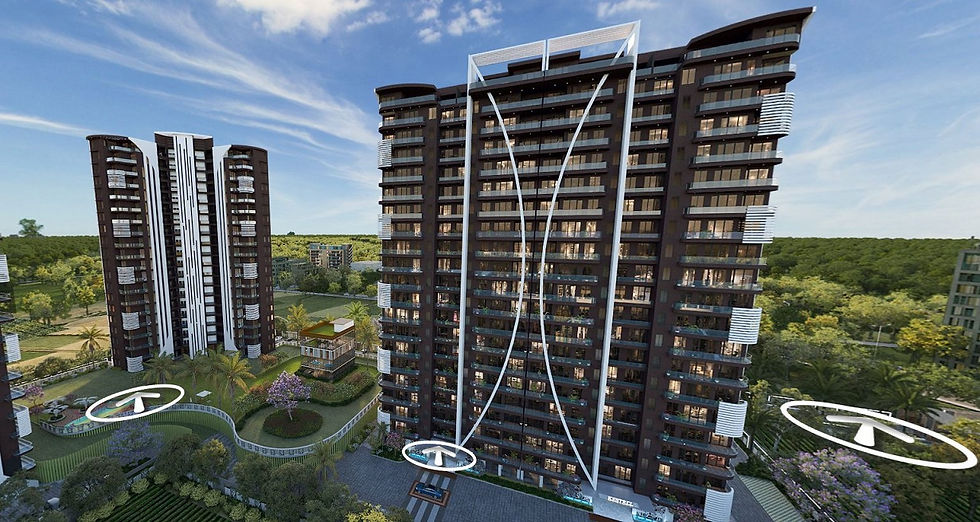
A well-crafted property 3D virtual tour is not just visually stunning—it should be intuitive and user-friendly. Smooth navigation, responsive controls, and accessibility features improve usability and keep visitors engaged. Implementing interactive elements, such as hotspots, annotations, and guided tours, allows users to interact with the environment effortlessly. Optimizing for mobile compatibility also ensures accessibility across devices, enhancing reach and engagement.
The Future of Immersive 360 Tours
As technology continues to evolve, property 3D virtual tour solutions will integrate more advanced features like AI-driven enhancements, augmented reality (AR), and virtual reality (VR). These innovations will elevate rendering quality and user interactivity, reshaping the way businesses showcase properties and environments. Staying ahead of industry trends and investing in high-quality virtual tour technology will set creators apart in an increasingly competitive market.


Comments